Treating Pet Allergies in San Jose, Saratoga & Campbell, CA
Visit Reed Animal Hospital to Take Care of Food Allergies
What are you allergic to? You might have a peanut allergy or get a stuffy nose when you step outside to freshly cut grass. Whatever the case, allergies can be a nuisance. Did you know your pet might have allergies? Cats and dogs can develop allergies to common ingredients found in their food. Not every animal is allergic to the same things, and different pets might respond in different ways. It is important you know the signs if your pet has an allergy. Reed Animal Hospital can educate San Jose, Saratoga, and Campbell, CA pet owners about signs to look for and how to address potential triggers for food allergies.
Learn More About Food Allergies in Cats
Even if your Cat does not have food allergies, it doesn’t mean they can’t develop them in the future. Cats develop triggers for food allergies when their immune system mistakes a food as a bacteria or virus that needs to be attacked. Cats are prone to a few specific allergens, encompassing numerous different food groups including meats, grains, and dairy.
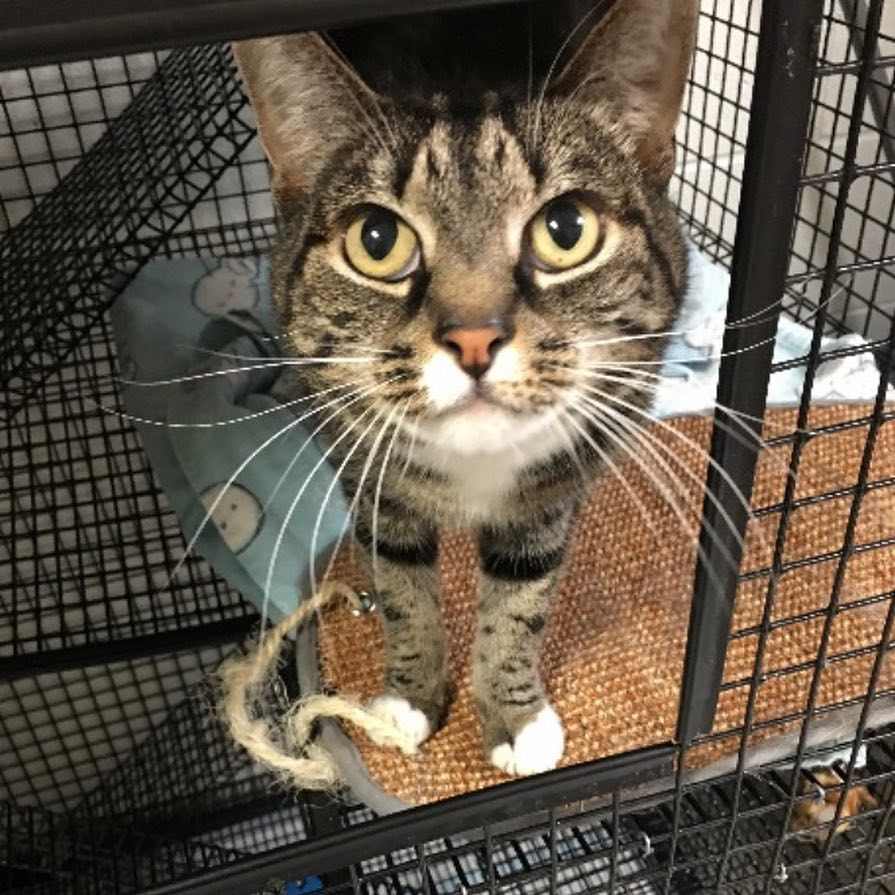
What Might My Cat Be Allergic to?
Your cat might be allergic to a variety of ingredients found in their food. Many of these components are commonly found in popular pet food brands, so it’s crucial to know what exactly you’re feeding your furry friend. Here are some common ingredients your cat might develop an allergy to:
Cornmeal: Although cornmeal is an inexpensive component of many pet foods, it can result in irritating skin reactions.
Seafood: Cats are known for their propensity toward seafood, but some food items might cause an allergic reaction.
Dairy: Milk is a popular drink associated with cats. However, consuming too much milk is a common trigger for food allergies.
Meat: Meat and meat by-products are a common food allergy in cats.
Preservatives and artificial coloring: These added substances to cat food are often linked to pet allergies.
What Are the Symptoms of a Food Allergy?
If your cat has an allergy caused by food, there are numerous signs and symptoms you can look for in the event of an allergic reaction. Remember, each cat might respond a little differently to trigger foods. Here are common food allergy symptoms:
- Sneezing or wheezing
- Runny eyes or nose
- Excessive vomiting
- Diarrhea
- Coarse fur
- Snoring
- Swollen paws or paw chewing
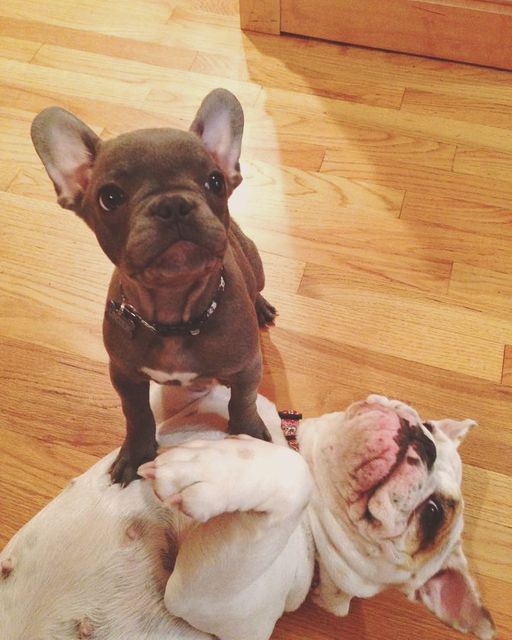
Understanding Food Allergies in Dogs
Reed Animal Hospital wants you to be aware of food allergies your dogs might have. Like cats, many different foods can trigger dog allergies. Genetic and environmental factors can influence whether or not your furry friend develops an allergy. The most common food allergies for dogs include:
- Beef, chicken, lamb, and pork
- Dairy
- Seafood
- Wheat and soy
- Eggs
Look for These Symptoms in Dogs
Dogs tend to experience allergic reactions differently than our feline friends, although there are a few similarities. If you suspect your dog might have an allergy to food, here are some signs to look out for:
- Ear inflammation
- Diarrhea or gas
- Stomach problems
- Excessively licking paws
Handling Emergency Food Allergy Symptoms in Dogs and Cats
Whether you own a dog, cat, or both, allergies caused by food can be a very serious issue. We never want something terrible to happen to our furry friends. Allergies can lead to emergency services. If you suspect your pet is having a bad allergic reaction, bring your pet to Reed Animal Hospital. Our team will work hard to make your pet feel normal again.
Test Your Pet for Allergies with a Blood Test
When you bring your pet into our clinic, we’ll likely recommend a blood allergy test. This convenient test allows us to check for reactions to foods, grass, pollen, dust, and much more. These tests are easy to complete for our seasoned team and take much less time than other methods of testing. If we find your dog does have an allergy, we may treat them with an antigen. Antigens are simple to administer and help your pet develop a tolerance for the allergen.
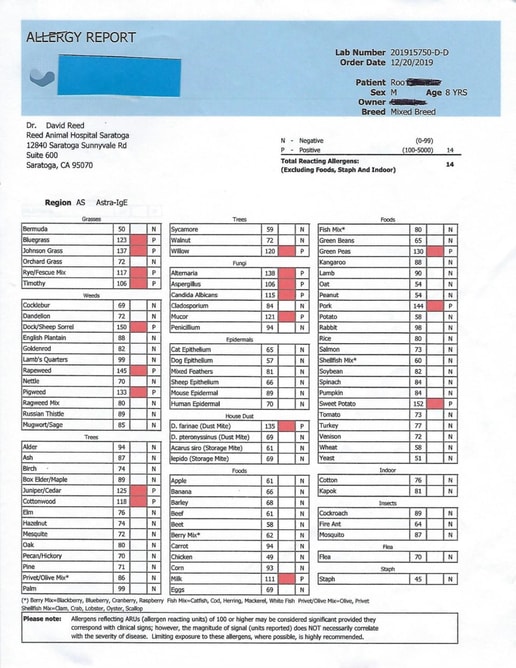
Results of a pet’s blood test. This dog developed lesions all over its body. After receiving the results from a blood test, the owner removed pork, sweet potatoes, and green peas (allergens determined by the blood test) from the dog’s diet, and all the lesions disappeared.
Don’t Hesitate to Contact Us!
If you need help finding out if your cat and dog food allergy, or just want to schedule a routine checkup, contact Reed Animal Hospital. We serve the San Jose, Saratoga, and Campbell, CA areas, and we are happy to assist you with your pet. Our staff are animal lovers and will work hard to make sure you and your pet leave our clinic happy and healthy. Don’t wait to call the vet in the event of an allergic reaction—contact us right away!
FAQs About Treating Pet Allergies
Pet allergy symptoms can show up in many ways for dogs and cats in the San Jose area. Some are simple to spot, while others are easy to overlook. Here are the most common signs to watch for:
- Itchy Skin – Your pet scratches, licks, or bites at their skin more than usual.
- Red or Irritated Skin – You may notice rashes, hives, or hot spots.
- Watery Eyes – This includes discharge or excessive tearing around the eyes.
- Runny Nose – Some pets, especially cats, repeatedly sneeze or have nasal discharge.
- Ear Infections – Pets signal this issue with frequent head shaking or pawing at their ears.
- Digestive Issues – Digestive problems are most common with food allergies and may include vomiting, diarrhea, or gassiness.
- Hair Loss – Excessive scratching may cause patchy or thinning fur.
If your dog or cat in San Jose, Los Gatos, Cupertino, or Sunnyvale is showing several of these signs, allergies may be the cause.
Pet allergy testing depends on the suspected type of allergy. For food allergies, our vets most often recommend an elimination diet trial, which involves feeding your pet a limited-ingredient or novel-protein diet for eight to 12 weeks. If symptoms improve, certain foods are slowly reintroduced to identify a trigger.
For environmental allergies, we may recommend intradermal skin testing or blood testing. These tests help pinpoint specific allergens, such as pollen, mold, or dust mites that are common around San Jose and nearby cities like Los Gatos, Cupertino, and Sunnyvale. Your veterinarian will guide you on which option makes the most sense for your pet.
Food allergies in pets are less common than environmental allergies, but they do occur. They’re usually triggered by proteins, not grains, despite what many pet owners assume. The most frequent culprits include beef, chicken, dairy, eggs, wheat, soy, and lamb.
Keep in mind that a pet can develop an allergy to a food they’ve eaten for years. If your dog or cat has in the San Jose area has chronic digestive issues or skin problems, food may be playing a role.
Most pet allergies cannot be cured, but they can be effectively managed. With the right pet allergy treatment plan, many pets go on to live comfortable, happy lives in San Jose, Los Gatos, Cupertino, and Sunnyvale. Treatment options vary based on the type and severity of the allergy:
- Dietary Changes – Dietary changes for food allergies include switching to a hypoallergenic or limited-ingredient diet.
- Antihistamines or Corticosteroids – Allergy medicine for pets can reduce itching and inflammation.
- Immunotherapy – Allergy shots gradually desensitize your pet to specific allergens.
- Medicated Shampoos or Topical Creams – Medicated shampoos and creams provide relief for the skin.
- Prescription Medications – Prescriptions like Apoquel and Cytopoint target the itch response directly.
Your vet will help you find the combination that works best for your pet. There’s no one-size-fits-all answer, but consistent allergy management makes a significant difference.
It can be tempting to wait and see if your pet’s symptoms go away on their own. However, if left untreated, allergies can lead to secondary skin infections and a lower quality of life for your pet. You should schedule a visit to Reed Animal Hospital in the San Jose area if your pet:
- Has been scratching, licking, or chewing at their skin for more than a week
- Has developed sores, scabs, or hair loss
- Has recurring ear infections
- Shows signs of digestive upset alongside skin issues
- Hasn’t responded to over-the-counter treatments
Prompt care helps protect the health of pets from San Jose, Los Gatos, Cupertino, and Sunnyvale.
We Treat Your Pet as if They Were Our Own