Signs Your Dog Is Overheating
Warm weather can be great for walks and outdoor play, but it can also be hard on your dog. Dogs don’t cool themselves the same way people do, so they can overheat faster than you might expect.
Knowing the signs of overheating in dogs can help you step in before heat stress becomes a serious emergency. For pet owners in Campbell & Saratoga, CA, Reed Animal Hospital is a local veterinary resource when your dog needs care, or you simply have questions about their health. Here is a quick, straightforward guide to spotting the signs of overheating and keeping your pup safe this season.
Why Dogs Overheat So Quickly
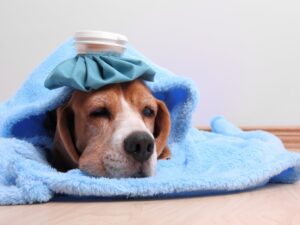 Dogs mainly cool themselves by panting. Since they don’t sweat through their skin like people do, they have a harder time releasing excess body heat. When they breathe in warm air on a hot California day, panting just cannot keep up. Puppies, senior dogs, overweight dogs, and dogs with certain medical conditions may be especially sensitive to heat. Flat-faced breeds, such as Pugs and Bulldogs, can also have more difficulty cooling themselves because of their shorter airways. Even a familiar walk can become too much on a hot day, so pay attention to how your dog is acting.
Early Signs of Heat Stress in Dogs
The first signs of overheating in dogs may be easy to dismiss as normal after exercise. Heavy panting after a game of fetch isn’t necessarily concerning, but panting that seems excessive or doesn’t settle after your dog rests deserves attention. Watch for these initial red flags:
- Heavy, Frantic Panting: Faster and much louder than their usual post-exercise breathing.
- Thick Slobber: Excessive, ropey drool pooling around the mouth.
- Lagging Behind: Walking slowly, resisting commands, or actively searching for shade.
- Mild Distraction: Appearing spacey or less responsive to your voice.
Moderate Symptoms: Take Action Immediately
If the heat stress continues, it progresses into heat exhaustion. At this stage, your dog needs immediate help to cool down. Watch for:
- Dark Red, Sticky Gums: Healthy gums are pink. Overheated gums turn bright red, dark red, or purple, and feel dry to the touch.
- Rapid Heart Rate: A racing pulse that you can easily feel through their chest wall.
- Glassy or Bloodshot Eyes: An unfocused, wide-eyed appearance.
- Wobbly Movement: Mild weakness, stumbling, or unstable back legs.
Severe Signs: This Is a Medical Emergency
When body temperatures reach critical levels, a dog enters heatstroke. This is a life-threatening crisis requiring urgent, professional treatment for an overheated dog. Head straight to an emergency clinic if you see:
- Inability to Stand or Collapse: Total loss of balance or fainting.
- Vomiting or Diarrhea: Sudden stomach distress caused by extreme internal heat.
- Seizures or Heavy Lethargy: Confusion, unresponsiveness, or muscle convulsions.
- Unexplained Bleeding: Noticeable blood coming from the nose or mouth.
Tips to Prevent Overheating
Prevention is always the best medicine. Keep your outdoor adventures safe with these quick habits:
- Walk During Cooler Hours: Stick to early mornings or late evenings.
- Bring Water Everywhere: Always carry a portable bowl and fresh, cool water.
- Test the Pavement: Place the back of your hand on the asphalt. If it is too hot to hold there for five seconds, it is too hot for your dog’s paws.
- Never Leave Your Dog in a Car: Even with the windows cracked, parked cars reach fatal temperatures in minutes.
- Choose Climate-Controlled Daycare: On scorching days, keep your pup indoors at Doggy Daycare.
Keep Your Dog Safe in the Heat
Keeping your dog comfortable in the heat starts with knowing which dog overheating symptoms to watch for and having a veterinary team you can count on. Reed Animal Hospital provides compassionate veterinary care seven days a week for pet owners throughout San Jose and the surrounding Bay Area, with convenient locations serving Campbell and Saratoga, CA. Give us a call to schedule an appointment or get guidance when your dog needs a little extra care.
FAQs About Dog Overheating Symptoms
How Can I Tell if My Dog Is Overheating?
Look for continuous, heavy panting, thick drooling, dark red gums, and a sudden lack of energy during warm weather.
What Should I Do if My Dog Shows Signs of Heat Exhaustion?
Move them to shade or AC immediately. Wet their belly and paws with cool (not freezing) water, use a fan, and offer fresh water without forcing them to drink. Call your vet right away.
Which Dogs Are More at Risk of Overheating?
Flat-faced breeds (like Bulldogs, Pugs, and Boxers) are at the highest risk due to shorter airways. Senior dogs, puppies, overweight dogs, and pets with thick double coats also need extra protection.
As our loyal companions grow older, we cherish the quiet moments and the deep bond we share with them. Aging is a natural process, but it can bring…
Dogs can exhibit what seem like symptoms of health issues that turn out to be standard biological activities, and dog eye discharge is one of them.…